


Extensive working time results in kidney stones
In India, long working hours are putting factory workers’ health at risk. Excessive overtime and short breaks are linked to serious issues like kidney stones, especially among non-unionised workers.
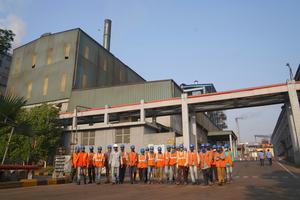
Chemical factory employees in India
Global data reveals India’s extreme working hours
As part of the BARTIME project, WageIndicator developed a working time tool that maps the various working time arrangements across Europe. We expanded this Working Time tool to a global dashboard and noticed that India stands out significantly when it comes to people working extensive hours.
Expert insight from Indian trade unions
We spoke to Rajgopal Dashrath Chandra Shekar, General Secretary of Telangana State Branch of Indian National Trade Union Congress (INTUC) to shine some light on the matter.
“Many factory workers in India work in small and medium industries and are not unionised. They often only have a limited break of 30 minutes in which they have to eat and use the toilets. As a result, many of them are suffering with urinary related issues. On top of this, female workers are also suffering from urinary and formation of kidney stones.
Short breaks and unsafe conditions harm workers’ health
In factories where the trade union is represented, Indian workers work a maximum of 9 hours per day and 48 hours per week, as mandated by Factories law. In comparison to non-unionised workers who often face 10-12 hour shifts. Overtime is limited to 16 hours a month or 48 hours per quarter and compensated at double rates for unionised workers. Technically, this is only the case for when overtime is necessary and approved. Unfortunately, non-unionised workers endure excessive overtime: in some cases it can even build up to 144 hours per quarter without fair pay or consent.”

